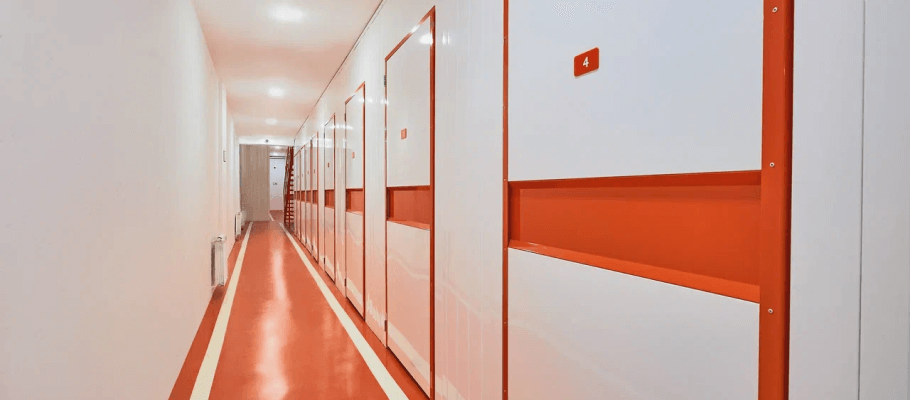
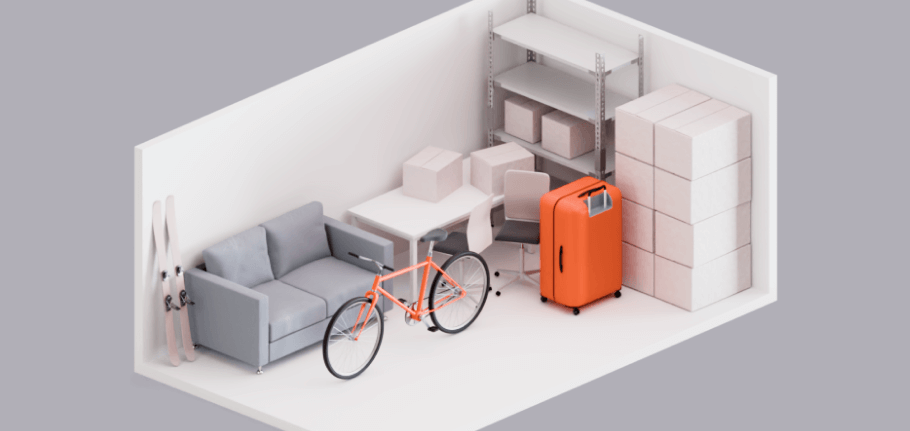
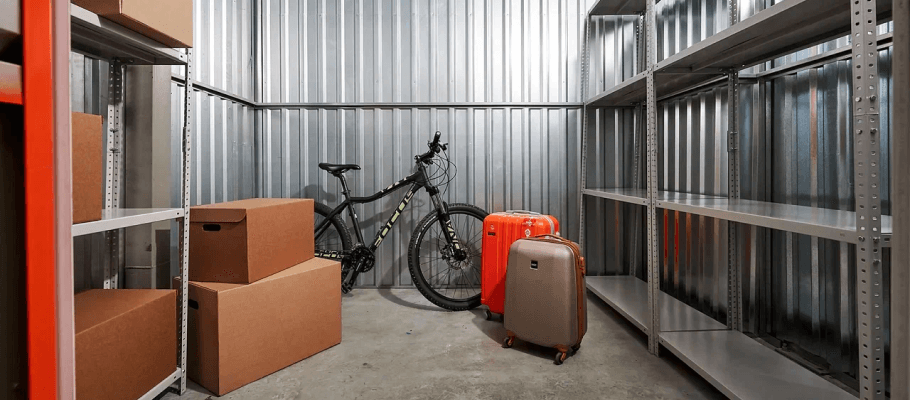
“I’ll just buy some shelves”—why this thinking fails
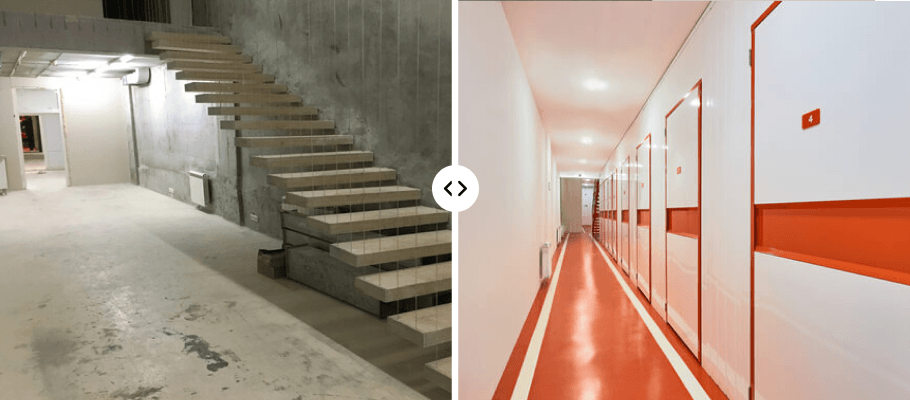
Many property owners first approach self-storage with the wrong mental model. They assume that converting a warehouse, basement, or retail unit into storage is mostly a matter of adding simple partitions, a few doors, and some padlocks. On paper, it looks straightforward. In practice, that thinking leads to expensive rework.
A real self-storage facility is not a warehouse with shelves. It is an integrated operating system built around privacy, security, automation, traceability, and unit-level monetisation. Each tenant rents a specific space with documented entry logs, controlled access, secure payment status, and a defined service standard.
That is why industrial warehouse-to-self-storage conversion requirements go far beyond basic fit-out. You are not just installing equipment. You are creating a revenue engine based on:
- net rentable area (NRA)
- unit mix optimisation
- controlled customer access
- centralised payment and software workflows
- fire-safe internal partition systems
- scalable maintenance and remote operations
The difference between a storage room and a modern self-storage facility is the combination of hardware, software, and operational logic. Today’s best facilities operate more like mini-hotels for belongings: secure, automated, always accessible, and measurable.
This is also why a proper feasibility study for a self-storage conversion matters. Before you invest CAPEX, you need to understand whether the building can support the appropriate hallway layout, floor load capacity, clear height, smart lock hardwiring, fire-rated partitions, and the target revenue per square metre. This will be discussed in more detail in the following sections.
Why property owners are looking towards self-storage
For many landlords and investors, self-storage is attractive because it enables the monetisation of underutilised commercial assets without relying on a single tenant. Instead of one lease and one vacancy risk, the operator builds diversified income across dozens or hundreds of smaller units.
This model is especially relevant for:
- vacant retail boxes
- underused basements
- secondary office assets
- light industrial buildings
- older warehouses with stable shell condition
- properties with low-yield back-of-house areas
From idle asset to profit: net rentable area optimisation
Self-storage works when the building shell can be converted into a high-efficiency internal grid. The economics depend not only on rent levels but also on how much of the gross area becomes monetizable NRA after accounting for corridors, plant, access routes, walls, and life-safety constraints.
A weak conversion often produces too much dead area. A strong conversion balances:
- corridor efficiency
- unit depth and frontage
- customer flow
- operational visibility
- accessibility and fire egress
- single-level vs mezzanine floors
- the right mix of small, medium, and large units
In other words, a conversion is not just “can we fit units here?” but “can we fit the right layout mix, with the right systems, at the right CAPEX, to stabilise occupancy fast enough?”
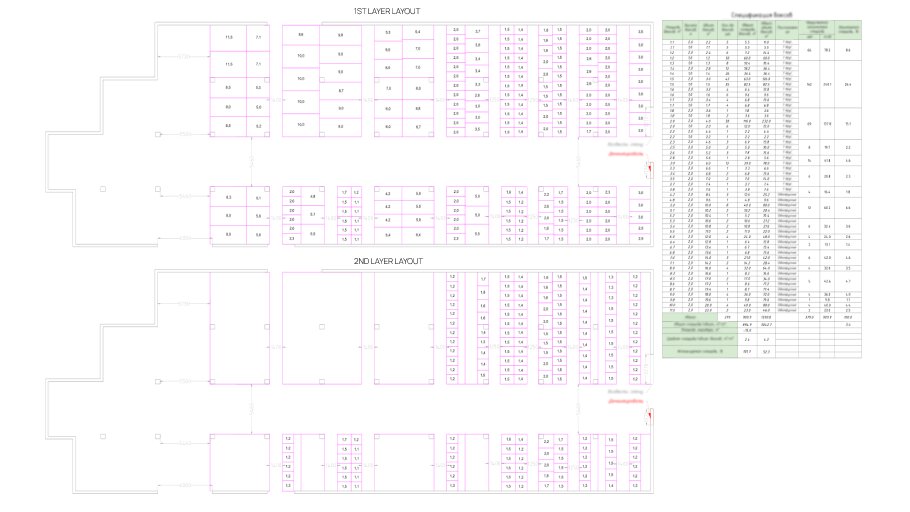
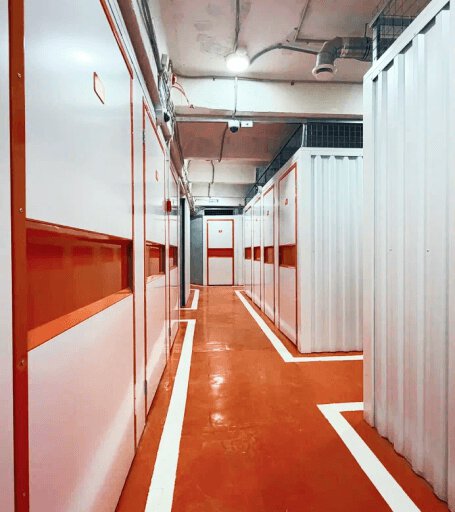
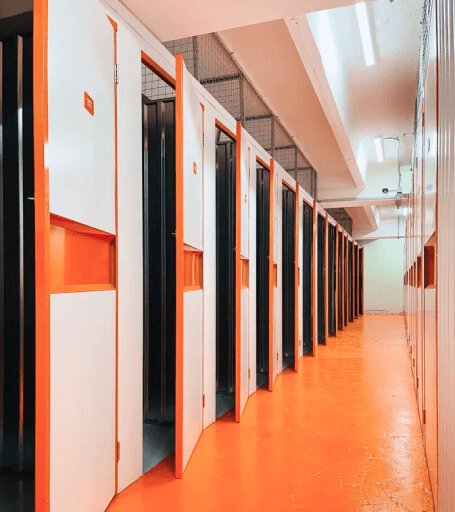
A layout mix example, SpaceHub
11 key systems of a modern self-storage facility
Turning a building into self-storage requires more than partitions. It requires eleven coordinated systems. Each one affects construction cost, revenue stability, legal compliance, and customer experience. Note: at SpaceHub, we provide an all-inclusive refurbishment that includes 11 key systems.
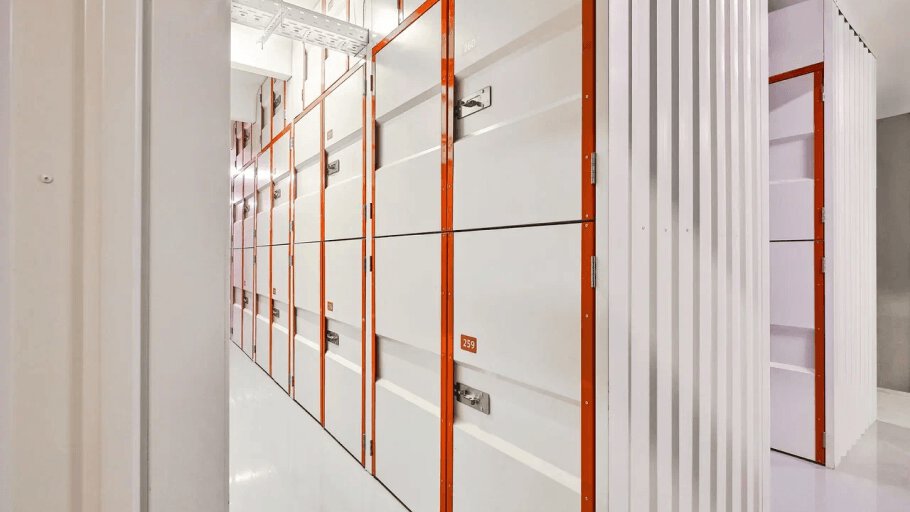
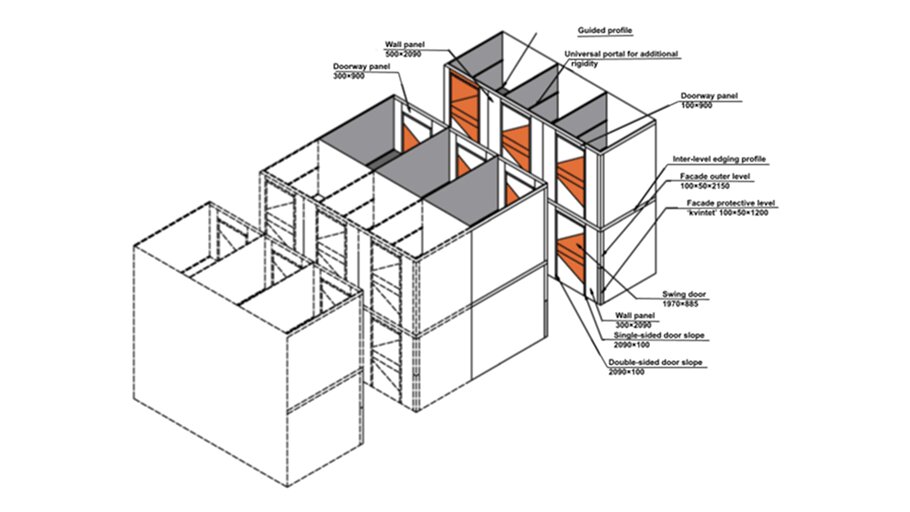
1️⃣ Partition and hallway systems—the physical backbone of the facility. It defines the internal partition wall systems for self-storage, the customer journey, the usable footprint, and the site's future flexibility.
What it includes:
- corridor framing
- internal partition systems
- corrugated steel wall panels
- top mesh wire or wire mesh topping for ventilation and sprinkler performance
- corner guards
- kick plates in high-traffic corridor zones
- anchoring details
- signage and wayfinding mounts
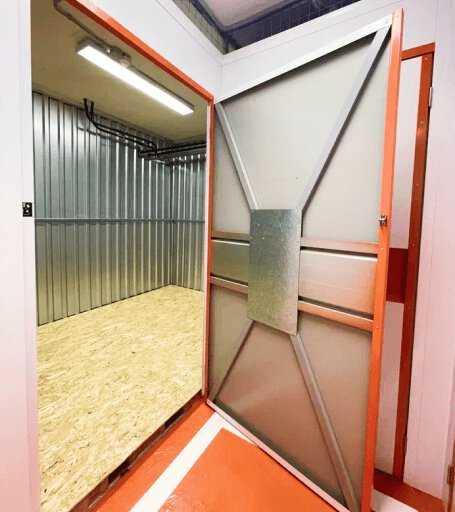
2️⃣ Unit doors define access, security, maintenance load, customer convenience, and long-term durability.
What it includes:
- roll-up doors or swing doors
- tracks, springs, guides, handles
- lock hasps or smart-lock interfaces
- threshold detailing
- number labeling
- anti-rattle components
- safety stops and service access details
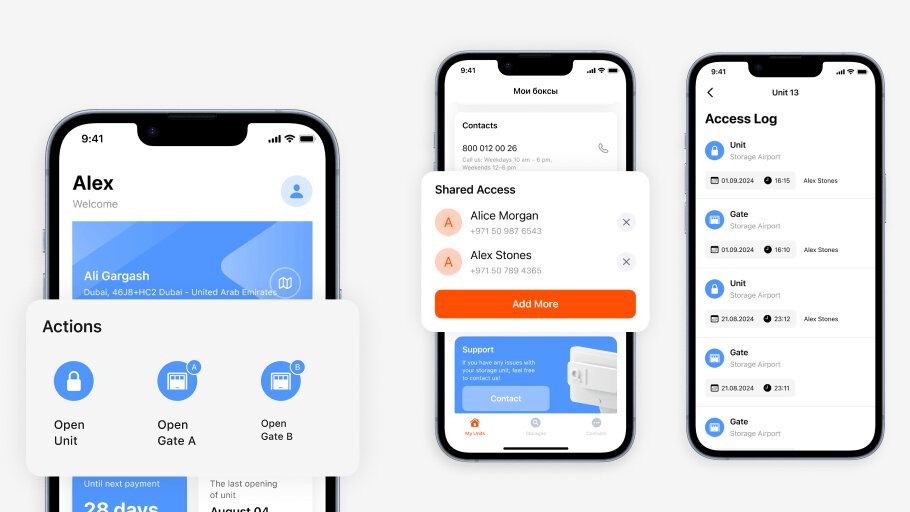
3️⃣ Locks and access control turn a building into an operationally controlled facility.
What they include:
- smart locks or lock-ready hardware
- main-entry access control
- gate access where relevant
- Bluetooth entry
- mobile app credentials
- keypad or credential backup
- overlocking system for delinquent accounts
- smart locks, hardwiring, or battery logic
- access logs and audit trails
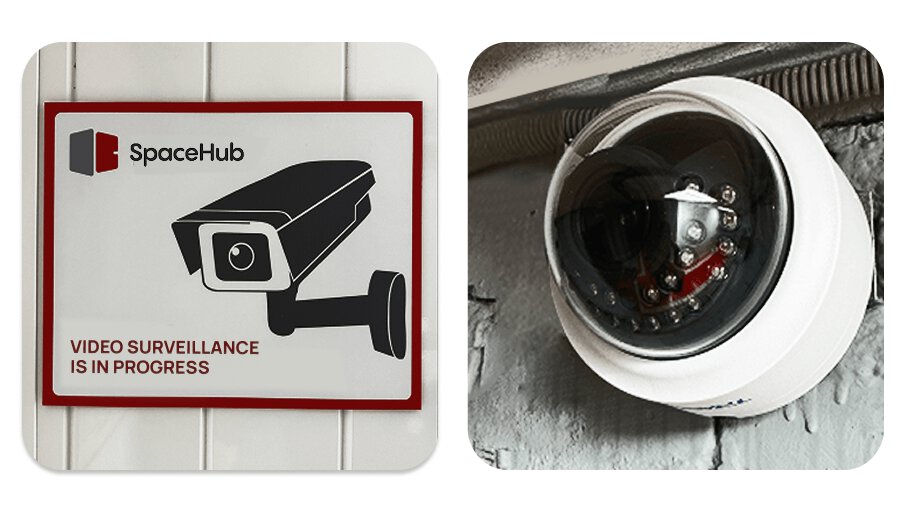
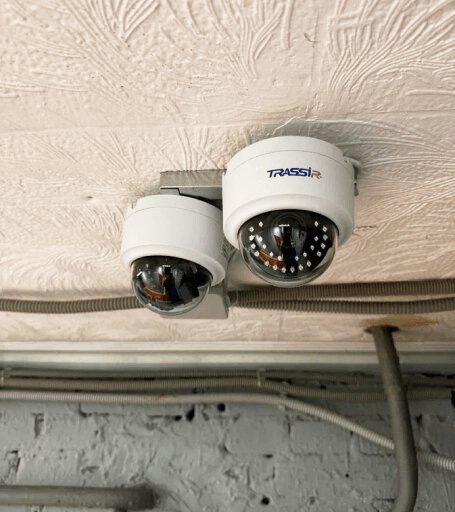
4️⃣ Video surveillance and recording—deterrence, operational, legal, and insurance layer.
What it includes:
- internal corridor cameras
- external perimetre cameras
- entry/exit capture
- recording server or cloud retention
- remote monitoring access
- time-synced logs
- camera coverage planning based on corridor geometry and lighting
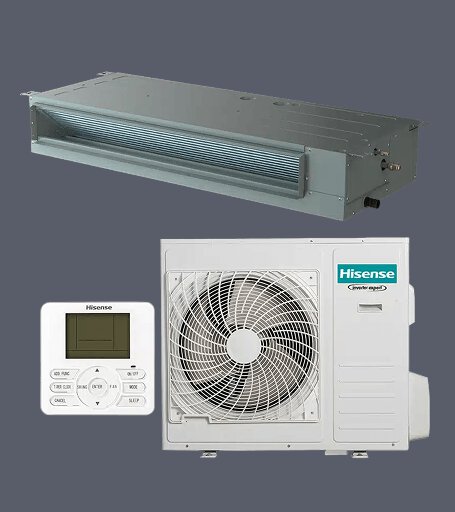
5️⃣ Climate control—a full-round system or at least a baseline humidity and temperature stability.
This can range from limited ventilation and dehumidification in mild conditions to a more capital-intensive climate-controlled format in tropical, humid, or highly variable climates.
6️⃣ Lighting—a security measure and a customer-experience system at the same time.
What it includes:
- corridor lighting
- entry and external lighting
- emergency lighting
- exit route illumination
- motion-activated lighting
- controls, timers, or occupancy sensors
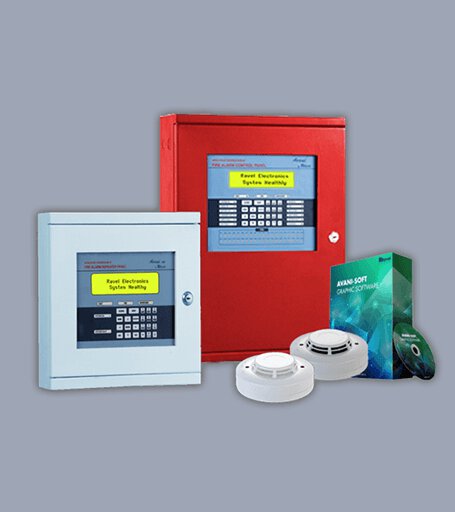
7️⃣ Fire safety—a must-have design framework.
If you under-specify or skip it, you risk approval failures, inadequate insurance coverage, restricted unit layouts, operational shutdowns, and serious legal exposure.
What it includes:
- fire alarm system
- smoke detection
- manual call points
- emergency signage
- evacuation routes
- fire-rated partitions where required
- sprinkler compatibility
- smoke-control logic depending on local code
- material compliance documentation
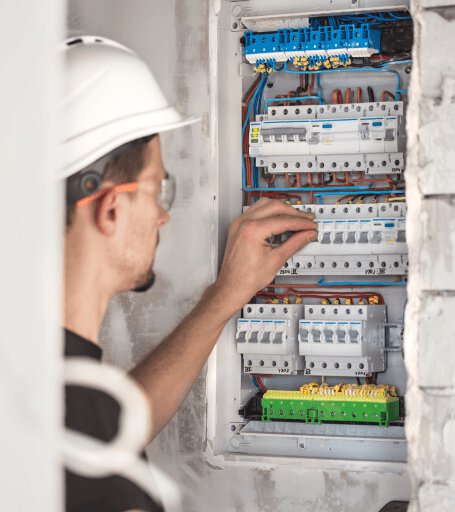
8️⃣ Electric supply and backup power. A modern self-storage facility is a powered system. Even an “unmanned” site depends on stable electrical infrastructure.
What it includes:
- distribution boards
- dedicated lines for access control and CCTV
- cabling for locks and network devices
- UPS for critical systems
- optional generator support, depending on the market and operating standards
- surge protection and monitoring
9️⃣ Self-storage management software—the commercial operating core of the facility.
What it includes:
- online bookings
- unit inventory management
- customer profiles
- contracts
- invoicing
- payment gateway connection
- arrears management
- occupancy tracking
- analytics dashboards
- remote management tools
🔟 Maintenance and operations—these protect your CAPEX after launch.
What they include:
- inspection routines
- door servicing
- camera checks
- lock battery or device health checks
- HVAC service
- corridor repairs
- cleaning
- damage reporting
- incident escalation
- software and firmware updates
1️⃣1️⃣ IT Integration—the system that turns multiple systems into a single business platform.
What it includes:
- network design
- controllers and gateways
- API integration between access, payments, and software
- remote admin dashboards
- alerting
- user permissions
- logging
- cybersecurity basics
- analytics dashboards
- redundancy for critical connections
With the SpaceHub franchise, you do not need to spend time, money, or internal resources on software development, setup, or ongoing management
We provide a single, purpose-built operating system that is already developed, tested, and connected across the entire SpaceHub storage network. This means your facility runs on the same centralized platform as every other location, giving you immediate access to proven automation, streamlined operations, and a consistent customer experience from day one. Instead of dealing with fragmented tools or building your own tech stack, you get a fully integrated system designed specifically for self-storage.
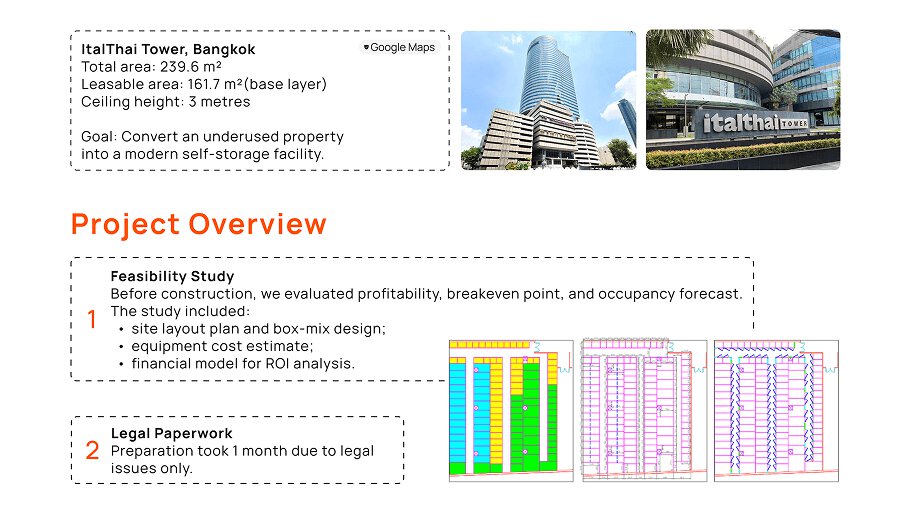
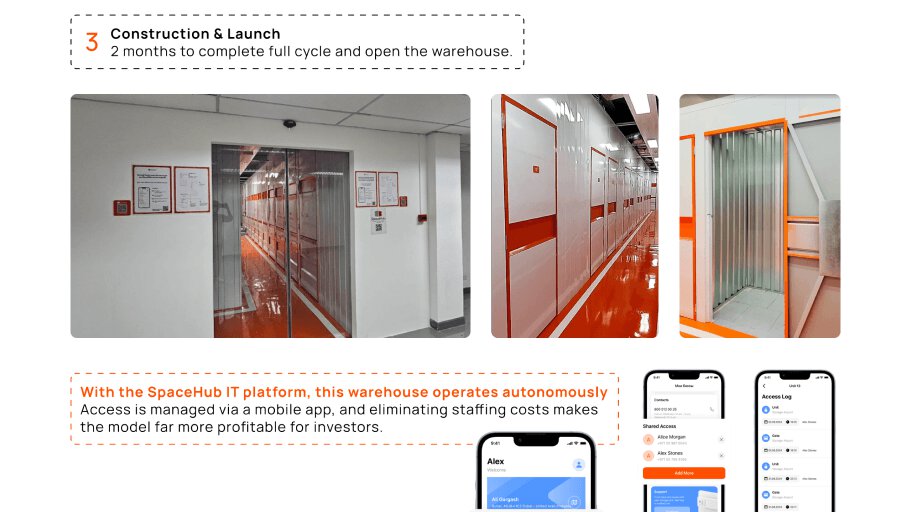
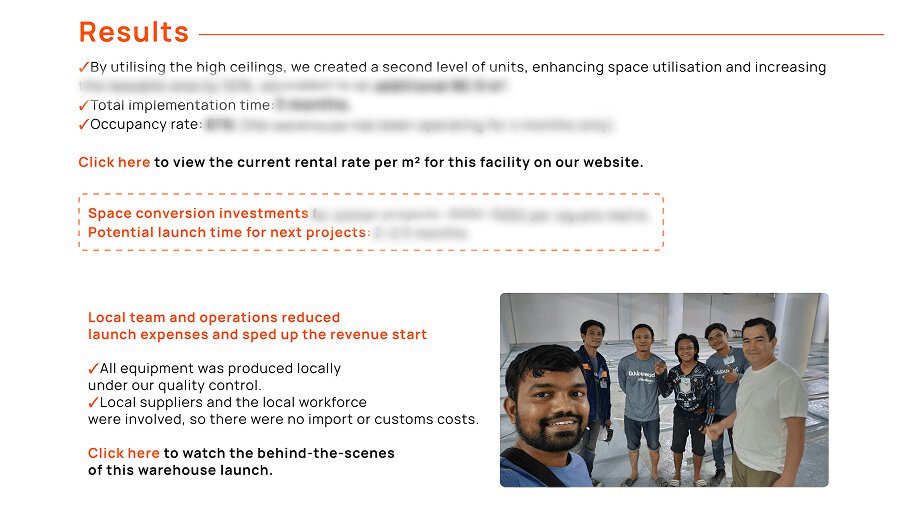
Case study: a self-storage facility built around all 11 core systems
Find out more about the process of reorganising the SpaceHub warehouse. A full case study with data is available upon request. To get it, fill out the form at the bottom of this article with your contact information.
Building requirements: can your property actually work?
A self-storage conversion starts with the building, not the equipment catalog. The main question is not “Can units fit?” but “Can the shell support a compliant, efficient, revenue-producing facility?”
Minimum size—200m²
A small-scale self-storage design is possible, especially in dense urban areas where demand is local and rents are strong. In practice:
-
around 200 m² can work for a compact pilot facility
-
300–800 m² usually allows a healthier unit mix and more efficient corridors
-
larger properties often improve operational efficiency and brand presence
The right answer depends on local pricing, occupancy assumptions, and the amount of space that becomes NRA.
Geolocation
Location quality affects both leasing speed and product type. Good self-storage locations are typically near:
- dense residential districts
- SMEs and trade businesses
- residential redevelopment zones
- areas with limited in-home storage
- neighborhoods with strong car access but constrained private storage supply
A basement can work. So can a second-line retail unit or a former light-industrial property. The key is access, visibility, and convenience.
Floor loading capacity
This is a technical must-check. Stored goods can be deceptively heavy, especially when customers place archives, tools, stock, machinery parts, books, or dense household contents in small footprints. We recommend at least 350–400 kg per square metre.
Ceiling height
-
For single-level layouts, you need at least 2.7 metres for comfortable unit proportions, lighting, and services.
-
For two-level solutions or mezzanine floors, height becomes a strategic advantage because it can materially increase NRA and improve revenue per square metre. For SpaceHub, 4-meter high ceilings are the best choice.
Low ceiling height does not always kill the project, but it limits design flexibility and often reduces upside.
Corridor width and fire requirements
Corridors tied to evacuation requirements: trolley movement, sightlines, customer convenience, and fire strategy. The minimal requirement is usually 1.2 metres.
Renovation and finishing materials
If refurbishing yourself, choose materials based on durability, code path, maintenance, and lifecycle cost, not just price. Typical considerations include:
- gauge steel partition components
- corrugated steel panels
- aluminium trims in selected areas
- corner guards
- kick plates
- mesh wire above units
- anti-corrosion finishes
- washable wall and floor surfaces in service areas
For SpaceHub, a clean finish and new renovations are not necessary. Freshly painted walls and the absence of partitions would be an advantage.
Warranties and supplier reliability
Ask suppliers not only about price, but also: installation and hardware warranty, replacement lead times, service response, spare parts availability, integration support, and documentation quality. Cheap equipment without service capacity can become expensive very fast.
Why self-storage is a business system, not just hardware
Self-storage investment is often misunderstood as a hardware purchase. In reality, it is an operating model. Steel partitions, doors, locks, cameras, and software only create value when they are coordinated.
Imagine a facility where the management software shows a tenant as overdue, but the access system does not receive that signal. The customer can still enter. Revenue control breaks. Staff intervene manually. Disputes rise. That is what happens when systems are bought separately without IT integration.
The opposite is also true. When systems are connected properly, the asset becomes scalable:
- online booking creates the account
- payment gateway confirms the transaction
- software reserves the unit
- access credentials activate automatically
- CCTV records the first entry
- overlocking rules protect arrears control
- central dashboards allow remote supervision
That is why modern operators focus on automating self-storage gate access, integrating locks with software, and building cloud-based control layers that support crewless operations.
How to start a self-storage business: 6 steps from space to system
A structured conversion process reduces rework, improves underwriting quality, and helps the owner compare CAPEX against a realistic occupancy ramp-up.
Step 1. Feasibility study
Start with a self-storage conversion feasibility study template or a professional facility assessment. Evaluate:
- local demand
- competition
- target customer segments
- pricing by unit size
- achievable NRA
- likely occupancy rate stabilization timeline
- building constraints
- zoning and fire code path
- CAPEX scenarios: manual vs automated
For smaller assets, a feasibility study is especially important because layout inefficiency has a bigger impact on margins.
Step 2. Layout and unit mix design
This is where the self-storage unit mix layout design becomes critical. Determine:
- small vs medium vs large unit ratios
- corridor geometry
- access routes
- loading points
- mezzanine viability
- climate-controlled zones
- premium vs standard inventory
Step 3. Compliance review
Confirm fire requirements, structural constraints, accessibility issues, MEP compatibility, local approvals, and operating restrictions.
Step 4. Equipment and system selection
Select systems that are compatible by design, not just individually attractive:
- internal partition systems
- roll-up or swing doors
- locks and access
- CCTV
- fire package
- climate infrastructure
- software and payment tools
Step 5. Automation setup
Connect the operating stack: online reservations, digital contracts, payment gateway, access credentials, overlocking logic, automated notifications, and remote dashboards.
Step 6. Pre-launch marketing and operations
Prepare landing pages, local SEO, pricing matrix, occupancy launch strategy, call handling or customer-support process, maintenance playbooks, and reporting dashboards.
This is how an underused commercial asset becomes an operating self-storage business.
The economics of a self-storage conversion
The question owners usually ask is simple: how much does it cost, and what can it earn?
The real answer depends on five variables: building shell condition, NRA, level of automation, market rent potential, and speed of occupancy stabilization.
Example: rough preliminary revenue estimation for Thailand
Assume you have a warehouse property of 576 sqm. After conversion, the NRA will be smaller, as corridors and a reception zone reduce gross-to-net efficiency.
Calculating NRA: Multiply the total floor area by the corridor efficiency coefficient. For a single-tier self-storage layout, this coefficient is 0.7.
576 sqm × 0.7 = 403 sqm NRA
Let’s deploy three unit size categories — small (9–10 sqm), medium (11–15 sqm), and large (25–30 sqm) — allocating one-third of NRA to each: 134.33 sqm per category.
Please note that this example is schematic: in a real-life facility, it is not necessary to install the same number of storage rooms of each size. We will calculate the exact layout individually.
Based on our Bangkok facility data, an average monthly revenue per square metre by unit type is:
Unit type,
sqm |
Average,
thb/month |
Unit type,
overall, sqm |
SATPAL
warehouse,
thb/month |
| 9–10 |
615 |
134,33 |
82.613 |
| 11–15 |
580 |
134,33 |
77.911 |
| 25–30 |
379 |
134,33 |
50.911 |
| |
|
|
211.435 |
Please note that this calculation is based on a single storage level. If we assume the client decides to install two levels, the second level would add up to 40% to the original floor area, making the leasable area of two-level storage approximately 800-806 square meters.
Our initial calculation assumes revenue for 403 square meters, but with two levels, revenue could double.
It’s important to understand that materials consumption for two-level storage is also higher, so the initial investment in the project will also be higher. However, the choice of solution remains with the partner.
This is a schematic calculation. The exact data is specific to each space and is calculated as part of a feasibility study.
ROI Logic. Owners searching for “ROI for unmanned self-storage facility” are usually asking the right question too narrowly. ROI does not come from software alone. It comes from the interaction of:
- better NRA
- faster lease-up
- lower payroll dependence
- stronger access control
- reduced payment leakage
- premium pricing for better security and convenience
- ancillary income opportunities
Important note on costs
There is no universal price benchmark that applies across all markets. The cost to convert a warehouse to self-storage per square metre depends on labor, materials, code requirements, the building’s condition, and the depth of automation. Use local supplier pricing and local demand data before committing to a final investment case.
Profound feasibility study for property owners
Not sure whether your building is suitable for self-storage? We provide a feasibility study for selected properties.
Contact our manager
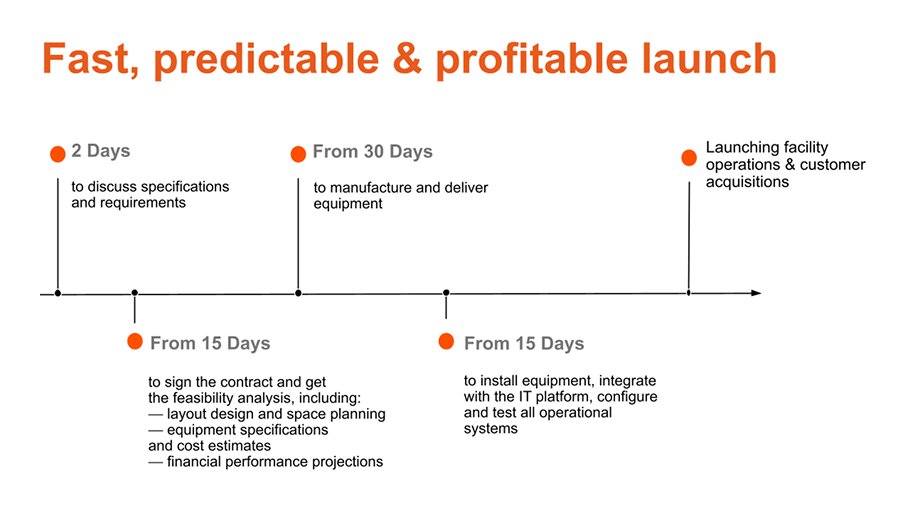
Typical timeline of a conversion
A standard project timeline varies by building complexity and local approval path. At SpaceHub, the sequence looks like this.
1️⃣ 2 days to discuss specifications and requirements.
2️⃣ From 15 days to sign the contract and get the feasibility analysis, including layout design and space planning, equipment specifications, financial performance projections, and cost estimates.
3️⃣ From 30 days to manufacture and deliver the equipment.
4️⃣ From 15 days to install equipment, integrate with the IT platform, configure, and test all operational systems.
5️⃣ 2 days to launch facility operations & customer acquisitions.
Why property owners choose self-storage conversion
The self-storage model appeals to owners because it transforms a single large leasing decision into a diversified income stream.
Instead of relying on a single occupier, the owner can monetize the asset through multiple units and customer profiles. That tends to reduce concentration risk and create greater pricing flexibility.
Key advantages include:
- better monetization of underused space
- lower dependence on a single tenant
- strong compatibility with automation
- potential for remote management
- scalable expansion to multiple sites
- stable demand from households and SMEs
- potential improvement in revenue per square metre compared with conventional low-yield use
For some assets, especially second-line retail, basement space, or outdated small industrial units, self-storage can be the most realistic repositioning strategy available.
In brief: what to consider when converting a building into a self-storage
Converting a building into self-storage is one of the most practical ways to reposition an underperforming commercial asset. But success does not come from shelves, locks, or partitions alone. It comes from designing a coordinated business system.
The strongest projects combine:
- efficient internal partition systems
- the right roll-up or swing door strategy
- reliable access control
- integrated software and payment gateway logic
- CCTV and fire-safe design
- strong NRA planning
- realistic CAPEX underwriting
- a clear route to occupancy rate stabilization
That is the real difference between a storage idea and a scalable self-storage business.
If you are evaluating a warehouse, basement, retail unit, or mixed commercial space, start with a feasibility study first. The right technical and financial assumptions at that stage will determine whether the asset becomes a low-yield compromise or a high-performing revenue platform.
FAQs
What kind of buildings can be converted into self-storage?
Many property types can work: warehouses, basements, retail spaces, former office floors, mixed-use back-of-house areas, and light industrial buildings. The main question is whether the property supports compliance, access, floor loading capacity, and an efficient NRA layout.
How big does my property need to be?
A project can start from around 200 m², especially in dense urban markets. However, larger properties usually allow better unit mix optimization and smoother corridor efficiency.
How much does it cost to convert a building to self-storage?
It depends on the building’s size and condition, building services, unit count, fire requirements, and automation level. A manual project and an unmanned automated facility can have very different CAPEX profiles. Modular systems usually reduce installation time and make costs more predictable, but the final number is always market-specific.
For SpaceHub, the average cost depends on the market, as we usually use local force and manufacturing. The lowest cost is $200 for 1 square metre on a one-level warehouse.
Do I need staff to operate it?
Not necessarily. A well-designed unmanned model can operate with limited on-site staff by combining smart locks, cloud-based self-storage access-control systems, CCTV, automated billing, and remote customer support.
What are the biggest mistakes new owners make?
The most common mistake is treating the project as a simple construction. Other major mistakes include weak feasibility analysis, a poor unit mix, underbudgeting for electrical and IT integration, ignoring fire constraints, and choosing incompatible systems.
Is self-storage a good investment?
It can be, especially when the asset has low current productivity and strong local storage demand. The key drivers are location, NRA efficiency, occupancy ramp-up, pricing, and operating discipline.
What is the ROI timeline for self-storage conversion?
There is no universal timeline, but owners typically evaluate ROI based on total CAPEX, occupancy-rate stabilization, average rent per unit, and the operating model. Unmanned facilities may improve operating margins, but only if system integration is done properly. In strong micro-markets, payback can be meaningfully faster than in weak-demand locations.
Do I need climate control in tropical locations?
In most tropical or high-humidity markets, yes, at least to some degree. Climate control protects furniture, paper, textiles, electronics, and commercial inventory. Even when full premium climate control is not necessary, ventilation, dehumidification, and HVAC zoning often are.
Can I install self-storage equipment myself?
Small elements may seem simple, but a full facility should not be treated as a DIY package. Installing internal partition wall systems for self-storage, coordinating fire-rated partitions, power, access control, CCTV, and software integration requires specialist planning. DIY installation often leads to rework, compliance problems, and lower-quality customer experience.
What steel thickness is required for partition panels?
There is no single universal answer. The right gauge depends on local standards, panel span, impact expectations, corrosion conditions, warranty requirements, and fire strategy.
What are the best access control systems for self-storage?
The best systems are those that integrate reliably with your management software and payment workflows. Look for cloud-based self-storage access control systems with API integration, mobile credentials, NFC/Bluetooth entry, audit trails, overlocking logic, and remote admin capabilities.
Do I need climate control in self-storage units?
It depends on market positioning, local climate, and the customer mix you want to serve. Climate-controlled zones are particularly important for long-term storage, business archives, sensitive inventory, furniture, and electronics.
What type of doors are best for self-storage?
For many facilities, roll-up doors are preferred because they preserve corridor usability and work well in dense layouts. Swing doors may still suit some projects, especially smaller or simpler formats. The right choice depends on corridor width, ceiling condition, maintenance strategy, and price point.
Can a basement be converted into self-storage units?
Yes, converting a basement to self-storage units is often viable, especially in urban markets. The key checks are ventilation, humidity control, waterproofing, access, fire egress, ceiling height, and customer convenience.
Can retail space be repurposed for self-storage?
Yes. Repurposing retail space for self-storage is increasingly common where footfall has weakened or the unit is oversized for local retail demand. Retail shells often benefit from good access and visibility, but the layout and frontage need to be rethought for storage operations.
Is a mezzanine worth adding?
Installing mezzanine floors in existing warehouse space can significantly improve NRA, provided the building has sufficient clear height and structural capacity. It is often one of the most powerful ways to increase revenue per square metre, but it must be tested carefully against structural, fire, and access requirements.